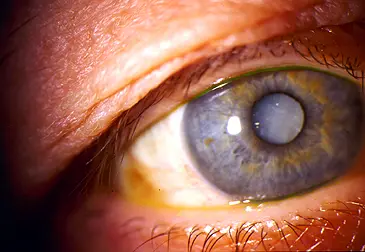
Cataracts are one of the most common age-related eye conditions and remain the leading cause of blindness worldwide, making cataract treatment a major global health concern affecting millions of people — especially after the age of 50.
With an aging population, the number of people impacted by cataracts continues to grow every year, making it a major global health concern. Unlike many other vision problems, however, cataracts behave very differently.
👉 They are not simply a matter of needing stronger glasses.
🧠 Cataract Treatment: What Causes Cataracts?
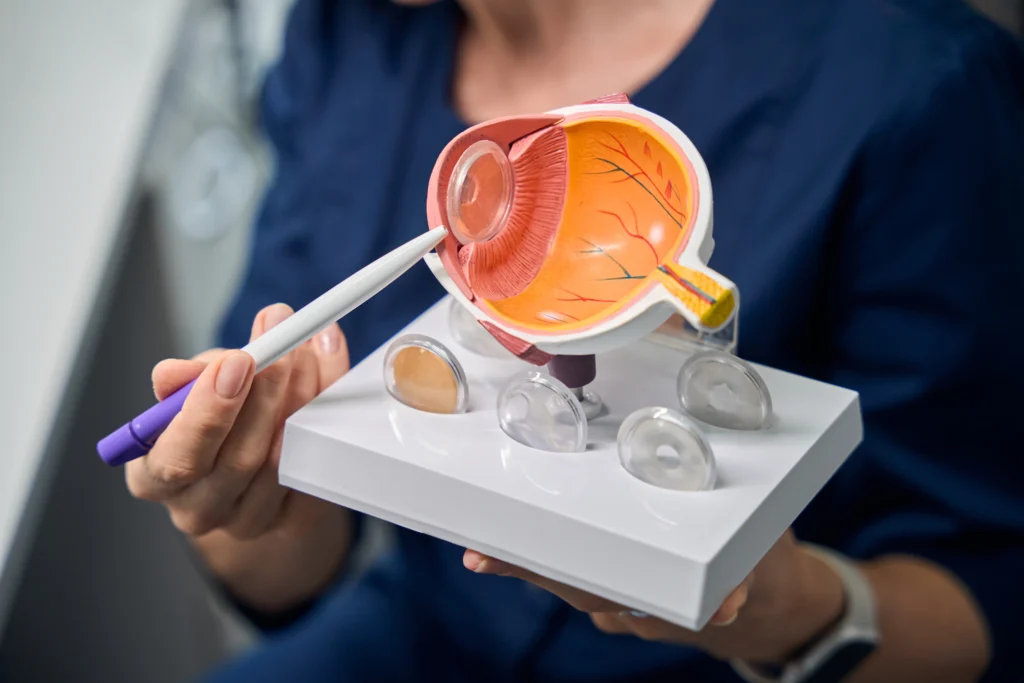
The natural lens of the eye is made of highly organized proteins that are responsible for keeping vision clear.
As we age, these proteins begin to undergo gradual changes.
👉 They can become damaged, clump together, and lose their precise structure.
👉 This leads to a progressive loss of transparency, causing the lens to become cloudy.
Several factors can accelerate this process, including:
- Long-term exposure to sunlight (UV radiation)
- Smoking
- Poor nutrition
- Metabolic conditions such as diabetes
- Chronic use of certain medications
These influences contribute to internal stress in the eye, making the lens more vulnerable to degeneration over time
👁️ Common Symptoms of Cataracts
One of the challenges with cataracts is that symptoms usually develop slowly and may go unnoticed in the early stages.
Many people initially believe they simply need a new prescription for glasses.
However, as the condition progresses, symptoms tend to become more noticeable, such as:
- Blurred or cloudy vision
- Increased sensitivity to light and glare
- Difficulty seeing at night (especially when driving)
- Faded or yellowed colors
- Frequent need to change glasses without lasting improvement
Because the progression is gradual and painless, it is common for individuals to delay seeking evaluation — often until vision is significantly affected.
⚠️ Cataract Treatment: What Can Be Done About Cataracts?
When cataracts reach more advanced stages and begin to significantly affect daily life, surgery is considered the definitive treatment, restoring vision by replacing the cloudy lens.
However, for a long time, science believed that the only way to treat cataracts was through surgery.
But recent studies from a group of Japanese ophthalmologists have led to the development of a natural approach that may help prevent the progression of the condition and even support improvements in its earliest stages.
But recent studies from a group of Japanese ophthalmologists have led to the development of a natural approach that may help prevent the progression of the condition and even support improvements in its earliest stages.
👉 In some reported cases, the team has observed individuals experiencing a significant reversal of symptoms — outcomes that many consider highly promising and worthy of further attention.
👉 Watch the interview with Dr. Ming Wang and discover the simple approach I’m already recommending to my patients — and what you can start doing today to help protect your vision and potentially avoid eye surgery in the future.