• Men’s Health

    Waking Up to Pee at Night? Your Prostate May Be the Real Reason

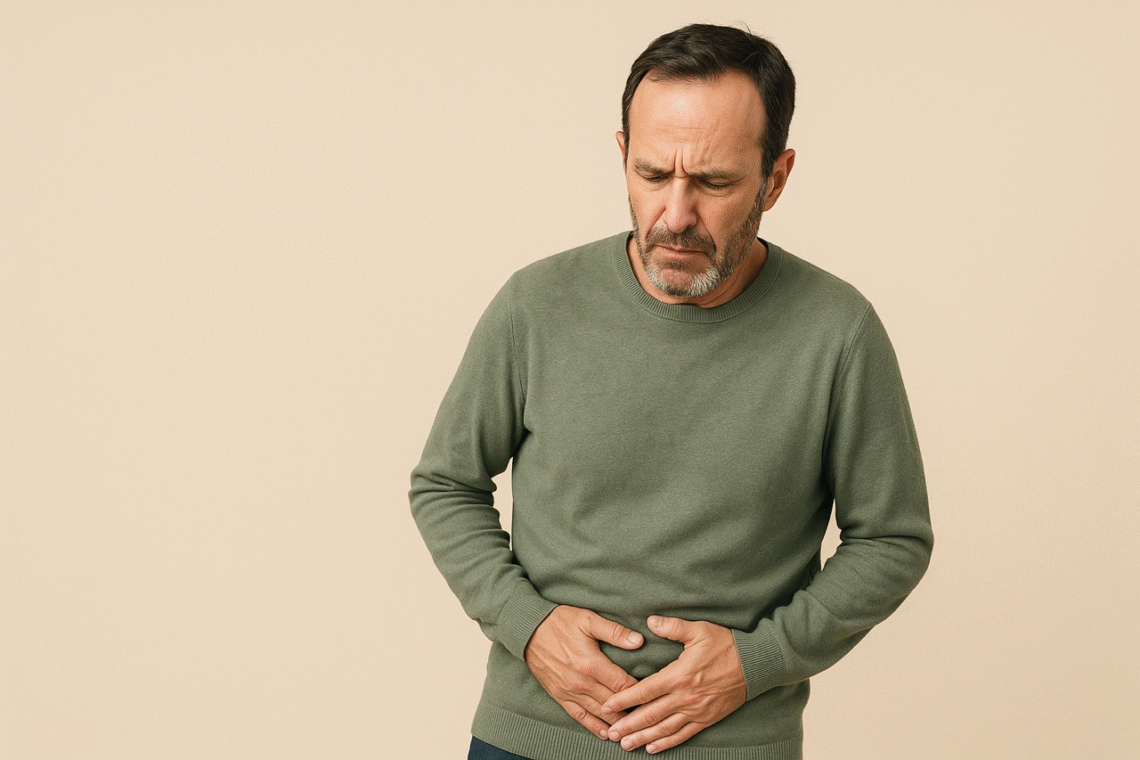
    Frequent Urination at Night? It Might Not Be “Just Aging.” Most men believe frequent urination at night is normal. It’s not. Recent research uncovered a hidden sleep–hormone disruption that affects men over 40 and silently inflames the prostate. Scientists are calling it: MEN Syndrome — Men’s Episodic Nocturnal Syndrome When this happens, your nighttime testosterone rhythm collapses and estrogen becomes dominant, causing prostate swelling and forcing you to wake up multiple times — even when your bladder isn’t full. The Military Discovery A former military health specialist revealed a simple nightly ritual called the: Military Prostate Reset Protocol It uses…

  • Men’s Health

    Understanding the Treatment of Benign Prostatic Hyperplasia (BPH)

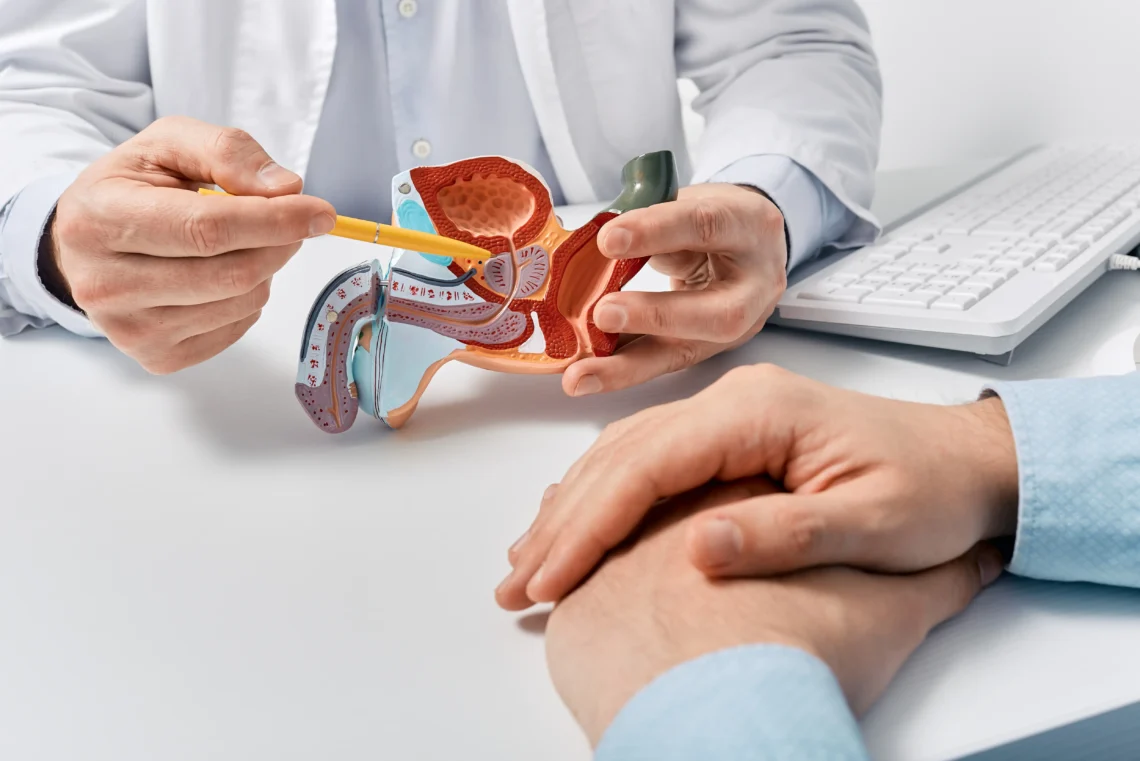
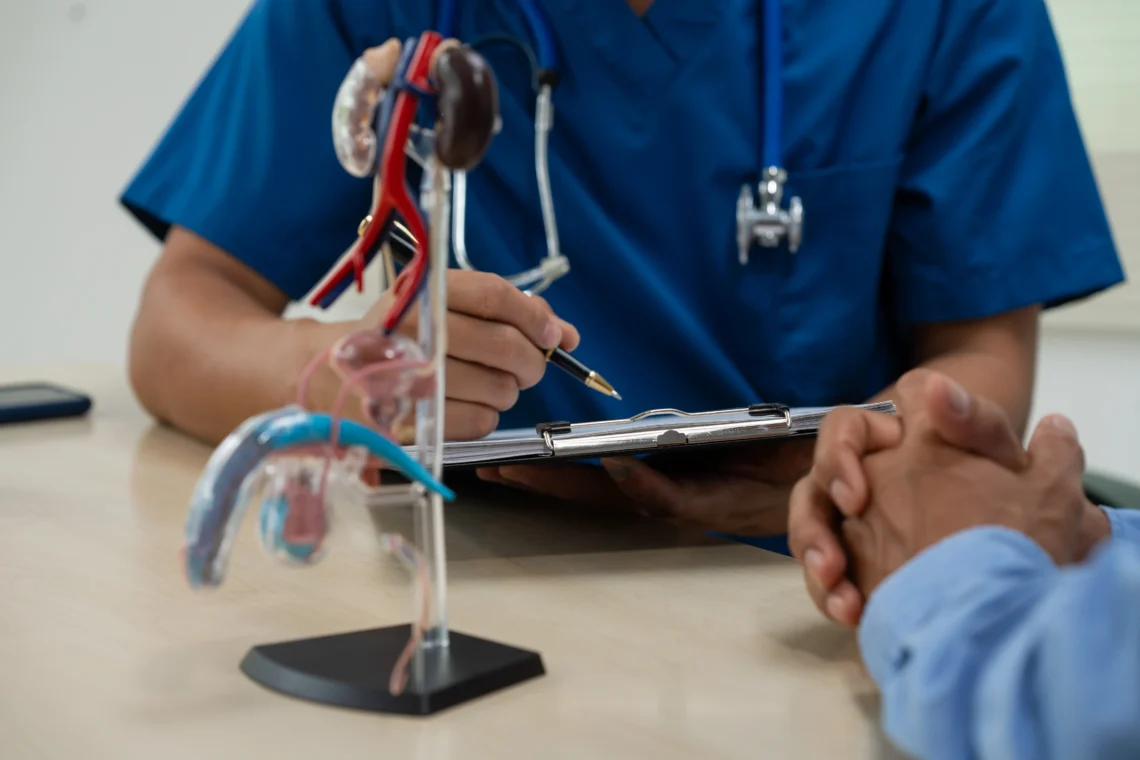
    Benign Prostatic Hyperplasia (BPH), or prostate enlargement, is one of the most common conditions affecting men over 50. It often leads to symptoms like a weak urine stream, frequent nighttime urination, or the feeling of not fully emptying the bladder.Early BPH treatment can make a huge difference — and the sooner you act through healthy habits and natural support, the better your chances of preventing progression to medications or surgery later. To better understand your situation, you can also take our IPSS Prostate Symptom Quiz. 1. BPH Treatment Through Lifestyle Changes and Natural Support For men with mild symptoms, BPH…

  • Men’s Health

    Prostate Cancer Screening: What Every Man Should Know

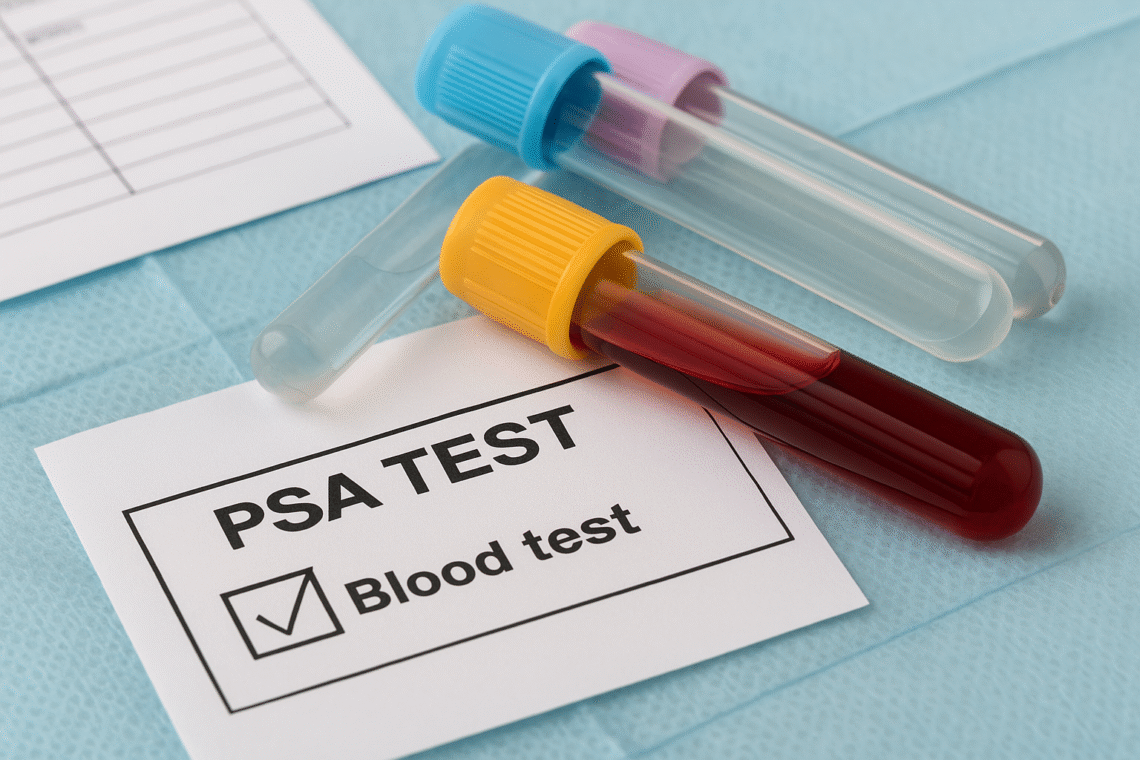
    Introduction Prostate cancer is one of the most common cancers among men, yet it’s often surrounded by confusion and anxiety. Many patients ask me whether they should be screened, what the tests mean, and how to know if they’re at risk. The truth is, prostate cancer screening isn’t the same for everyone. While early detection can save lives, unnecessary testing may also lead to anxiety and treatments that some men might not need. Understanding the pros and cons helps you make the right decision for your health. What Is Prostate Cancer? The prostate is a small gland located below the…

  • Men’s Health

    BPH and Erectile Dysfunction — How They’re Connected and What Helps Both

    Many men believe urinary problems and sexual difficulties are unrelated, but in my medical practice, I often see how closely they’re connected.Benign prostatic hyperplasia (BPH) — also known as prostate enlargement — and erectile dysfunction (ED) share many of the same causes.When one improves, the other often does too. Why BPH and Erectile Dysfunction Often Occur Together Both BPH and ED are influenced by aging, vascular health, hormones, and nerve function.As men age, blood flow to the pelvic area tends to decrease.The same circulatory issues that restrict blood flow to the penis can also cause prostate enlargement and urinary symptoms.Hormonal…

  • Men’s Health

    Enlarged Prostate Symptoms Quiz

    Prostate Symptom Quiz (IPSS) IPSS Assessment Quick Prostate Symptom Quiz (IPSS) Answer the 7 questions below. In under 2 minutes you’ll see your score and what it means. 0/7 answered Please answer all 7 questions to see your result. 1) Incomplete emptying of the bladder Never Less than 1 in 5 times Less than half the time About half the time More than half the time Almost always 2) Need to urinate again within 2 hours Never Less than 1 in 5 times Less than half the time About half the time More than half the time Almost always 3)…

  • Men’s Health

    Prostate enlargement: Know the symptoms and discover 7 ways to Improve naturally

    By Dr. Emily Langford 🩺 Enlarged Prostate Symptoms You Shouldn’t Ignore Enlarged prostate symptoms are extremely common as men get older, often affecting urinary habits, sleep quality, and overall well-being.The prostate — a small gland located just below the bladder — naturally increases in size with age. However, when it becomes too enlarged, it can press on the urethra and interfere with normal urination. This condition, known as benign prostatic hyperplasia (BPH), is not cancerous but can gradually worsen if ignored.Recognizing the early signs is the best way to prevent complications such as urinary retention or infection. The most common…