Neuropathy: Symptoms, Causes — and a Treatment Approach That May Actually Help
If you have been dealing with tingling, burning, numbness, or weakness in your feet or hands, you may be experiencing neuropathy.
Many people are told this is just part of aging… or something they will have to manage forever.
But what if there is more happening beneath the surface?
In this article, you will discover:
- the most common neuropathy symptoms
- the real causes behind nerve damage
- why many treatments fail
- and a simple at-home nerve pain treatment approach I now suggest to many of my patients that may support your nerves at a deeper level
Nerve Pain: What Is Neuropathy, Its Symptoms — and Why They Happen
Neuropathy (or peripheral neuropathy) happens when nerves become damaged or dysfunctional.
These nerves carry signals between your brain and body — so when they’re affected, symptoms begin to appear.
Common symptoms include:
- tingling (pins and needles)
- burning sensations
- numbness
- electric-like shocks
- muscle weakness
- balance issues
In most cases, symptoms start in the feet or hands and may gradually move upward over time — which can be an important warning sign of progression.
Why These Symptoms Happen
Your nerves are protected by a layer called myelin, similar to insulation around electrical wires.
When this protection becomes damaged:
- signals become irregular
- sensations are distorted
- pain signals may be amplified
This helps explain symptoms like burning, numbness, and sudden nerve pain.
👉 And if this process continues, symptoms may worsen over time.
What Causes Neuropathy?
Neuropathy is not a single condition — it is usually caused by underlying factors.
From a medical perspective, the most common causes include:
- diabetes and blood sugar imbalance
- vitamin deficiencies (especially B1, B6, B12)
- alcohol use
- medications
- infections
- autoimmune diseases
- nerve compression
But here’s what most people are never told:
👉 Recent research suggests that many forms of neuropathy may share a common underlying mechanism:
A Deeper Look: What May Be Happening Inside Your Nerves
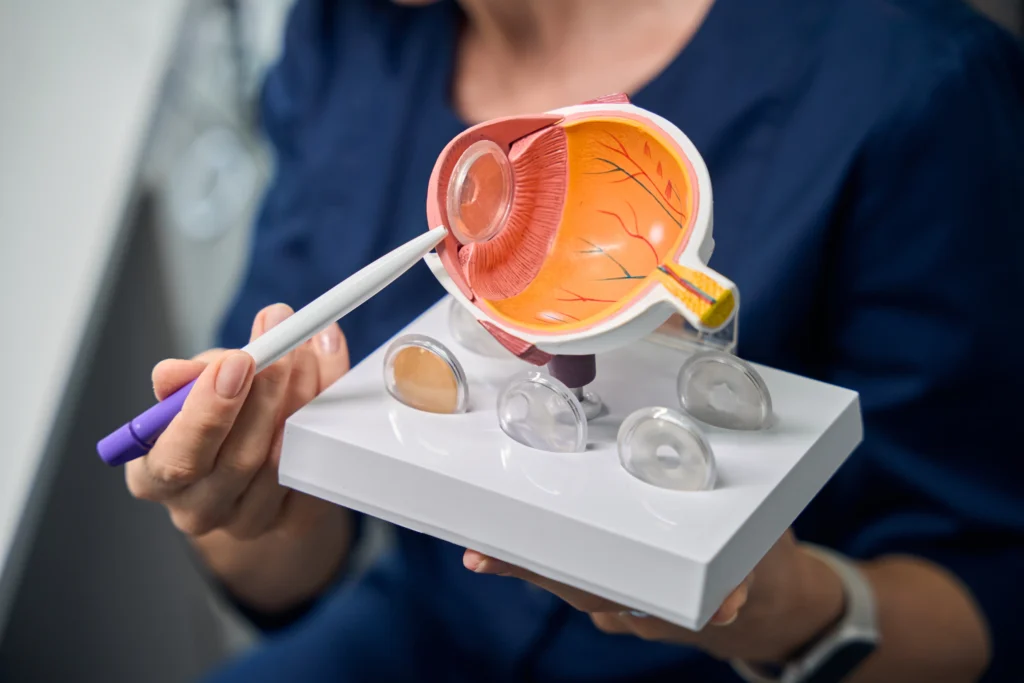
Stage 1: Toxin Exposure
Every day, your body may be exposed to substances from food, environment, and plastics.
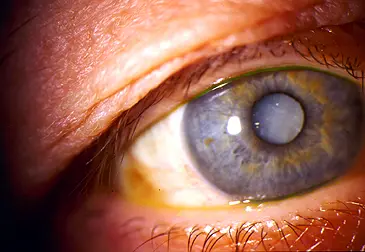
Stage 2: Nutrient Depletion
These substances may interfere with the absorption of essential nutrients — especially B vitamins.

Stage 3: Nerve Stress Increases
As nutrient levels drop, the body may produce substances that stress and damage nerve cells.
Stage 4: Protective Layer Breakdown
The protective coating around nerves (myelin) begins to weaken and nerve communication becomes irregular — leading to symptoms.
👉 And this is exactly the internal process that the method you’re about to see is designed to target — not just the symptoms, but what may be driving them.
Why Many Neuropathy Treatments Don’t Fully Work
Traditional treatment approaches often include:
- medications for nerve pain
- blood sugar control
- vitamin supplementation
- physical therapy
These can be helpful.
But many people notice something frustrating:
👉 the symptoms improve temporarily… then come back
This may happen because many approaches focus on managing symptoms, rather than supporting the underlying nerve environment.
The Missing Piece Many People Are Now Considering
Instead of focusing only on pain relief, many are now asking:
👉 What if neuropathy is not just about pain… but about what is happening inside the nerves?
This perspective shifts the focus toward:
- supporting nutrient absorption
- reducing internal stressors affecting nerves
- helping restore normal nerve function
A Different Nerve Pain Treatment Approach
Recently, more attention has been given to natural compounds and strategies that may support nerve health in multiple ways.
Some approaches aim to:
- support the body’s ability to eliminate harmful substances
- improve availability of essential nutrients like B vitamins
- help reduce processes that damage nerve protection
- support regeneration of the nerve’s protective layer
Instead of masking symptoms, this type of approach focuses on the root environment affecting the nerves.
Why This Is Gaining Attention
Many people dealing with neuropathy are now exploring methods that go beyond temporary relief.
Because when the internal environment improves:
- nerve signaling may become more stable
- sensitivity may improve
- discomfort may decrease over time
This is why a growing number of people are paying attention to a specific at-home method being discussed recently.
Watch the Presentation to Understand the Full Mechanism
In the video below, you will discover:
- what may be silently affecting your nerves
- why symptoms tend to progress over time
- and the simple at-home method many people are now using to support healthier nerve function
This presentation explains the mechanism step by step in a simple and easy-to-understand way.
👉 [WATCH THE VIDEO NOW]
Final Thoughts
Neuropathy can affect your sleep, mobility, confidence, and daily life.
Understanding the symptoms and causes is the first step.
But for many people, the next step is exploring an approach that goes beyond temporary relief — and focuses on supporting the nerves themselves.
If you want to better understand what may be happening inside your body and what you can do about it, the video above may help connect the dots.
👉 [WATCH THE VIDEO NOW]
FAQ
What is the best treatment for neuropathy?
The best approach depends on the cause. A complete strategy may include medical care, lifestyle adjustments, and methods that support nerve health.
Can neuropathy improve?
Some cases can improve, especially when underlying factors are addressed early.
What are the first signs of neuropathy?
Tingling, numbness, and unusual sensations in the feet or hands are common early signs.
Is nerve pain the same as neuropathy?
Nerve pain is one symptom of neuropathy, but neuropathy can also cause numbness, weakness, and balance issues.